
It happens more often than we think. A single disappointing grade that leaves a child questioning their abilities. What was once a confident learner can suddenly become unsure, even anxious, about their performance. When one bad grade changes how your child sees themselves, it’s not just about marks on paper. It’s about how they interpret their worth and potential. As parents, it can be difficult to watch, especially when we know they’ve tried their best. But how we respond in these moments can make a lasting difference.
1. A bad grade feels personal to a child
Children often tie their identity to their performance, especially in school. When they receive a lower mark than expected, they don’t just see it as a reflection of effort. They see it as a reflection of who they are. It’s common to hear, “I’m just not smart enough” or “I’ll never be good at maths.” This internal dialogue can slowly build a fixed mindset, where they believe their abilities are set in stone. The first step is to help them separate the grade from their identity. A test measures knowledge at a point in time, and it doesn’t measure intelligence or potential. Encouraging this perspective teaches resilience and helps them see mistakes as part of the learning process, not proof of failure.
2. The real issue lies in how they interpret the result
The grade itself isn’t the problem; it’s the story they tell themselves about it. A child who believes “I can improve” will see a low mark as a challenge. A child who thinks “I’m not good enough” will see it as confirmation of their limits. As parents, we can help shape that story. Instead of focusing on the number or letter, ask questions like, “What do you think you could try differently next time?” or “Was there a part you didn’t understand?” These questions shift the focus from judgment to curiosity. They also open space for meaningful reflection and growth. When we guide them to look at results as feedback rather than failure, confidence starts to rebuild naturally.
3. Confidence recovers through small, consistent wins
Confidence doesn’t return overnight. It’s rebuilt through moments of progress. Whether it’s mastering a tricky topic, finishing homework on time, or feeling more prepared for a quiz. Celebrating these small wins reminds your child that improvement is possible and that effort truly matters. It’s also why individual attention can make a difference. With one-on-one support, a child can address gaps directly and learn in a way that fits their pace and style. Over time, these positive experiences form a new narrative: “I can do this.” When learning feels achievable again, grades start to follow.
4. Your reaction shapes their self-talk
Children mirror how adults respond to setbacks. A calm, understanding approach tells them that one mistake doesn’t define them. On the other hand, visible disappointment can reinforce their self-doubt. When discussing grades, start with empathy. Acknowledge the effort they put in and how they feel. Then, work together to make a plan for what’s next. This builds accountability without shame. The goal isn’t to avoid struggle but to help them face it with confidence and perspective. Your steady response becomes the model for how they handle challenges throughout life.
5. Learning how to learn changes everything
When a child learns effective study habits, time management, and reflection skills, they begin to see that performance isn’t about luck or talent. It’s about strategy. A single low grade can actually be a turning point if it helps them understand how to approach learning more intentionally. Tutoring often supports this by reinforcing not just content, but the process of learning itself. As your child builds these habits, they start to see results that reflect their true effort, and their confidence grows from something solid and lasting.
Conclusion
When one bad grade changes how your child sees themselves, it’s a reminder that academic growth is just as much about mindset as it is about skill. With the right support and guidance, they can rediscover confidence, resilience, and the joy of learning.
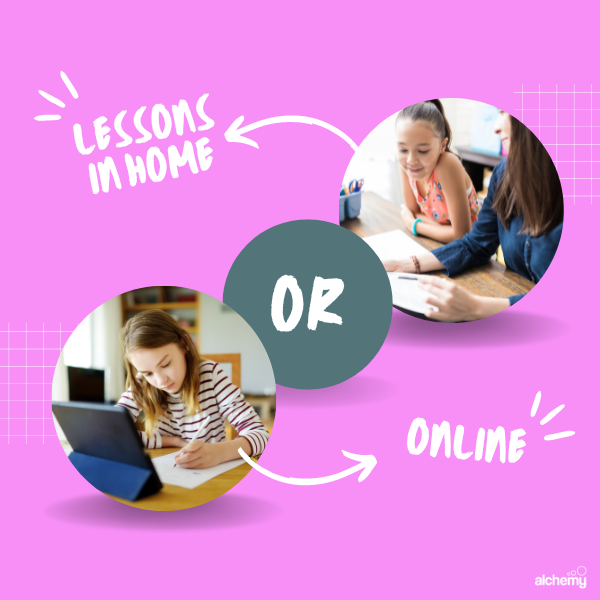
At Alchemy Tuition, we help children rebuild that confidence through one-on-one tutoring that meets them where they are, at home or online. Together, we can turn one bad grade into a stronger sense of self and a brighter path ahead.